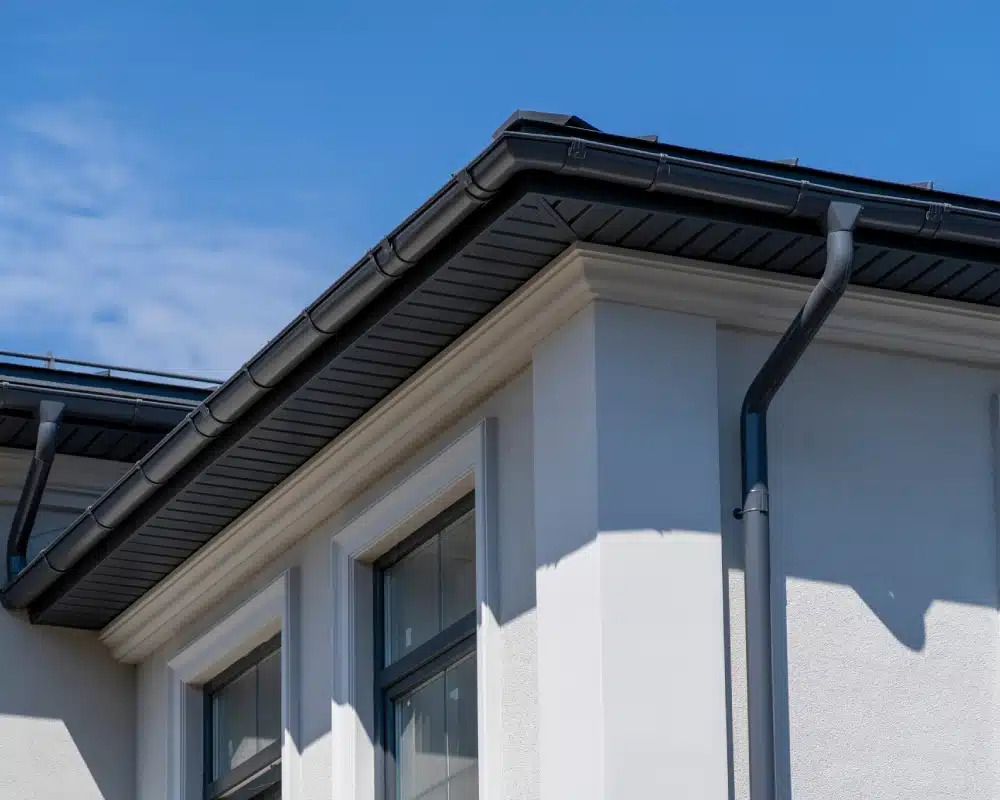
Your home’s siding does more than determine curb appeal. It is an important part of the exterior envelope, helping protect the structure from Massachusetts weather while contributing to insulation, moisture management, and overall energy performance.
When siding starts to fade, crack, warp, rot, or show signs of age, replacement can do more than refresh your home’s appearance. It can be an opportunity to choose a material that better fits your home’s architecture, your maintenance preferences, and your long term plans. That is why homeowners often start researching siding replacement companies before deciding on a material.
Three of the most common choices are vinyl, wood, and fiber cement siding. Each has its own strengths, limitations, appearance, and maintenance requirements. So, which one is best? There is no universal answer. The right siding depends on your home and what you want from your exterior. Here’s a closer look.
Vinyl Siding: Practical, Versatile, and Low Maintenance
Vinyl siding has become one of the most widely used siding materials for residential homes. It is popular because it offers a combination of affordability, style options, durability, and relatively low maintenance.
Today’s vinyl siding looks considerably different from the basic products homeowners may remember from decades ago. Modern profiles can replicate the appearance of traditional clapboards, shingles, shakes, and other siding styles.
Benefits of Vinyl Siding
For homeowners who want an attractive exterior without committing to frequent painting and refinishing, vinyl is an excellent choice.
Low maintenance: Vinyl does not require regular painting like traditional wood siding. Routine cleaning can help remove dirt, pollen, and other buildup.
Wide range of colors: Homeowners can choose from numerous colors and profiles to complement their home’s architecture.
Strong value: Vinyl is often one of the more budget friendly siding choices, particularly when long term maintenance is considered.
Moisture resistance: Properly installed vinyl siding is designed to shed water and withstand normal exposure to rain and snow.
Design flexibility: Vinyl siding can work well on traditional New England homes as well as newer construction.
Wood Siding: Classic New England Character
Wood siding has a timeless quality that is difficult to duplicate. From traditional clapboards to cedar shingles, wood can give a Massachusetts home warmth, texture, and authentic architectural character.
It is particularly well suited to historic homes and traditional New England architecture. Wood also offers flexibility when it comes to color. Unlike many factory finished siding products, wood can be painted or stained to create a customized appearance.
Benefits of Wood Siding
Natural appearance: Real wood provides texture and variation that can create a distinctive exterior.
Architectural versatility: Wood works well with colonial, Cape Cod, farmhouse, craftsman, and historic home styles.
Customizable: Homeowners can paint or stain wood siding in a wide variety of colors.
Repairable: Individual boards or sections can often be repaired or replaced when damage occurs.
But there is an important tradeoff. Wood requires more maintenance than vinyl or fiber cement.
Paint and stain eventually need to be refreshed. Wood siding should also be monitored for moisture damage, rot, insects, peeling paint, and other issues.
Fiber Cement Siding: Durability Meets Classic Style
Fiber cement siding has become another popular option for homeowners looking for a durable alternative to traditional wood. Made from a combination of cementitious materials and reinforcing fibers, fiber cement siding can provide the appearance of painted wood while offering excellent resistance to many of the problems associated with traditional wood siding.
It is available in several profiles and textures, including styles designed to resemble traditional clapboards and wood shingles.
Benefits of Fiber Cement Siding
Fiber cement can be an appealing middle ground for homeowners who love the appearance of wood but want a siding material designed for long term durability
Durability: Fiber cement is designed to withstand demanding exterior conditions.
Wood like appearance: It can provide the visual appeal of traditional painted siding without relying on natural wood.
Paintability: Many fiber cement products can be painted or come with factory applied finishes.
Resistance to common problems: Fiber cement is not susceptible to wood rot in the same way traditional wood siding is, although proper installation and moisture management remain essential.
Architectural versatility: It can work beautifully on traditional Massachusetts homes as well as contemporary properties.
Weather Is A Consideration.
Siding has to do more than look good on a sunny day. Massachusetts homes experience rain, snow, ice, wind, humidity, freezing temperatures, and hot summer conditions. Those repeated changes put stress on exterior materials. This fluctuation makes proper installation critical regardless of which siding you choose.
Quality siding replacement should account for moisture management, flashing, trim, transitions, windows, doors, ventilation, and the condition of the wall assembly underneath the existing siding. Removing old siding can also reveal previously hidden problems. Address rot, deteriorated sheathing, damaged trim, or moisture intrusion before installing new siding.
Installing new siding over an unresolved problem does not solve the underlying issue.
What About Insulation?
Siding and insulation are related, but they are not the same thing. Depending on the product and installation approach, homeowners may have options such as insulated vinyl siding or additional exterior insulation as part of a larger siding project.
Improving the exterior wall assembly can potentially improve comfort and energy performance, but the results depend on the home’s existing construction, insulation, air sealing, windows, HVAC system, and other factors. A reputable contractor should evaluate the existing exterior rather than promising that a particular siding material alone will dramatically reduce energy costs.
How Much Maintenance Are You Willing to Do?
This may be one of the most important questions to ask yourself.
- If you want an exterior that requires relatively little routine maintenance, vinyl may be a strong choice.
- If you enjoy the traditional character of painted or stained wood and do not mind regular upkeep, wood siding may be worth the investment.
- If you want a durable material with a wood inspired appearance and are comfortable with a higher initial investment than basic vinyl, fiber cement may deserve serious consideration.
The “best” siding is often the material you are willing and able to maintain properly.
Choosing Among Siding Replacement Companies
Once you have narrowed down your preferred material, the next step is finding the right contractor. Not all siding replacement companies approach projects the same way.
Before signing a contract, ask potential contractors:
- How long have you been installing siding?
- Which siding manufacturers do you work with?
- What products do you recommend for my home?
- What happens if damaged sheathing or framing is discovered?
- How will windows, doors, corners, and rooflines be handled?
- What type of moisture barrier or house wrap is included?
- What warranties apply to the siding?
- What workmanship warranty do you provide?
- How will landscaping and other areas of the property be protected?
- Is cleanup included in the project?
A detailed estimate should clearly explain the scope of work, materials, preparation, installation, and cleanup.
Why Salemi Exteriors?
Salemi Exteriors is a Billerica based exterior remodeling company serving homeowners throughout Massachusetts. Its services include siding along with roofing, gutters, and windows, allowing homeowners to address multiple components of their home’s exterior with one experienced contractor. Salemi Exteriors
The company emphasizes upfront pricing and a straightforward approach to exterior remodeling. That matters when you are making a significant investment in your home’s siding.
Give Your Home a Stronger Exterior with Salemi Exteriors
Replacing your siding is about more than changing your home’s color. The right siding can improve curb appeal, protect your home from the elements, complement its architecture, and provide years of reliable performance.
Vinyl offers affordability and low maintenance. Wood provides unmatched natural character and traditional New England appeal. Fiber cement offers durability with the look of painted wood.
Before choosing a material, consider your home’s architecture, Massachusetts weather exposure, maintenance expectations, budget, and long term plans. Then choose an experienced contractor who can help you make an informed decision.
Thinking about replacing your home’s siding? Contact Salemi Exteriors to discuss your siding options and schedule a professional exterior evaluation.